
The initial cost of learning to paraglide can appear steep, starting at 50,000 Baht for beginners. However, this price reflects more than just basic training; it represents the culmination of two decades of program enhancements aimed at safety and efficiency. Over these 20 years, training programs have been meticulously developed to offer beginners a quicker, safer entry into the sport, leveraging advanced techniques and state-of-the-art learning tools.
Considering the extensive improvements in training quality and safety protocols, the cost is a substantial investment in personal safety. Paragliding is a sport where cutting corners can have serious consequences, thus the expenditure on high-quality, reliable instruction is fundamentally an investment in your own safety. When viewed from this perspective, the 50,000 Baht fee is not merely for learning to fly but for ensuring that this exciting adventure begins with the highest safety standards, making it a justifiable expense relative to the value it provides.
All paragliding coursesMain equiptment
Paragliding Wings
The cost of paragliding wings can vary significantly depending on the brand, model, and the specific features designed for different skill levels. On average, new paragliding wings can range from about $2,500 to $4,000 USD. For beginners, it’s important to invest in wings that provide the right balance of stability, safety, and ease of use, without necessarily going for the high-end competition models that are priced higher due to their advanced features

1. Ozone: Ozone is well-known for its commitment to quality and safety, making it a favorite among both beginners and seasoned pilots. Their wings are designed with user-friendly features, which can help new pilots feel more secure as they learn.

2. Nova: Nova also offers a range of paragliding wings that are excellent for beginners due to their focus on safety and reliability. Their products are often praised for innovative designs that enhance pilot experience at all levels.

3. Gin: Gin Gliders is renowned for its innovative designs that cater to a wide range of pilots from beginners to professionals. Their wings are crafted to provide excellent performance and safety. Gin wings are particularly known for their agility and responsiveness, making them a great choice for pilots who want a mix of safety and the ability to grow with their wing as their skills develop. Prices for Gin paragliding wings generally fall within the range of $2,800 to $4,000 USD, similar to other premium brands.
4. DaVinci: DaVinci Gliders are recognized for their advanced technology and precision engineering. They offer models that are specifically designed for stability and ease of use, which are crucial for beginners. DaVinci’s focus on technological integration in their wings helps ensure that pilots experience comfortable and controlled flights. Their wings are priced in a comparable range to Gin and other top brands, making them a viable option for pilots who prioritize technological innovation alongside safety.
Harness
The average prices for paragliding harnesses can vary significantly based on the features, materials used, and the specific design intended for different types of flying. Here’s a general idea of the average prices for harnesses from the brands I mentioned:

1. Sup’Air: Harnesses from Sup’Air range widely in price depending on the model and features. Beginner harnesses generally start around $600, while more advanced harnesses with additional features like better back protection and lightweight materials can cost up to $1,200.
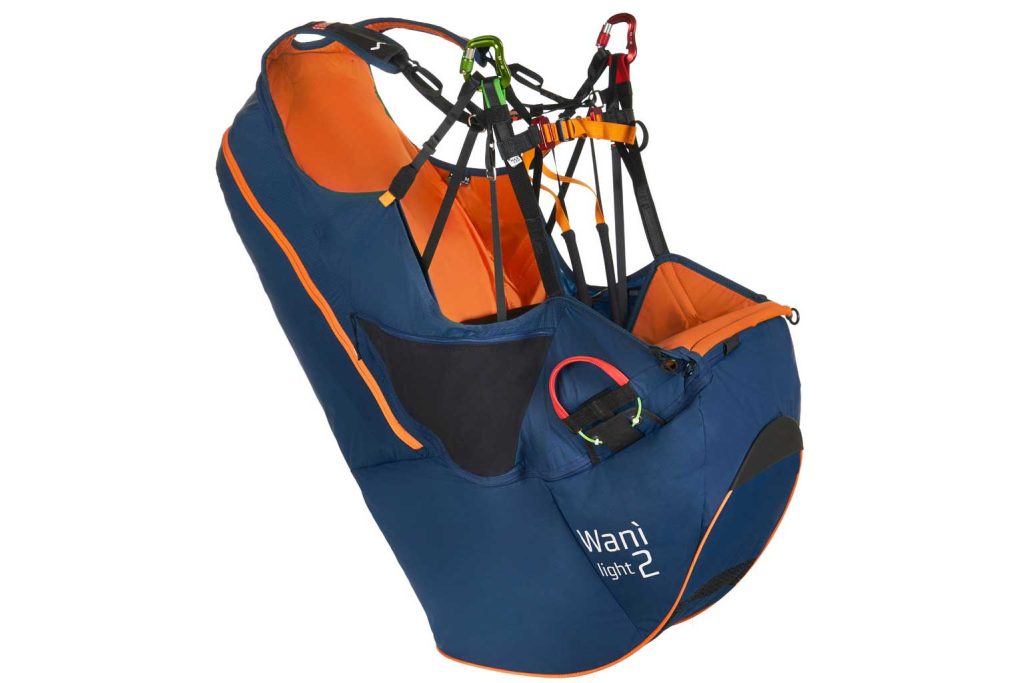
2. Woody Valley: Woody Valley’s harnesses are known for their durability and advanced features. Prices typically start around $800 for basic models and can go up to $1,500 for high-end versions designed for more specialized flying, such as competition or long-distance cross-country flying.
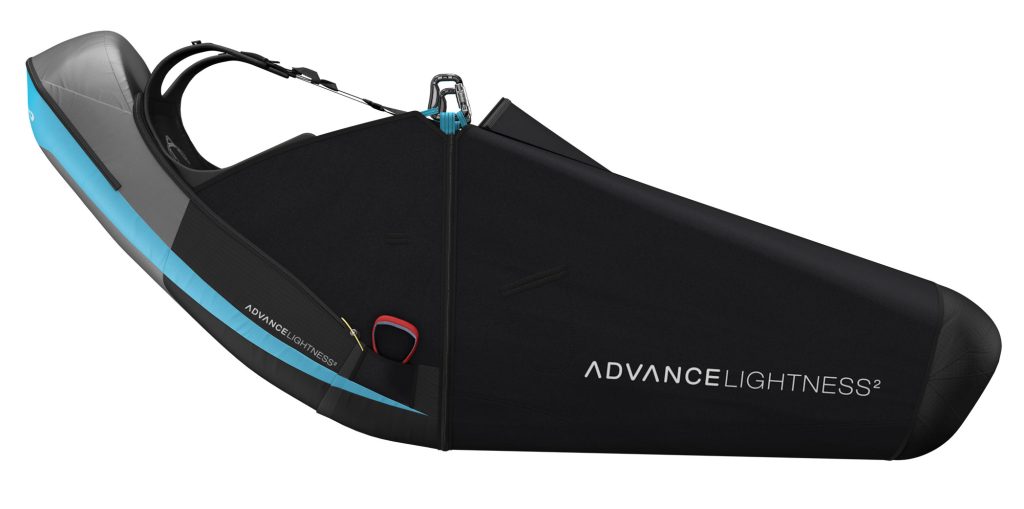
3. Advance: Advance offers harnesses that also range from basic to highly specialized models. The prices can start at around $700 and go up to about $1,400 for their top-tier harnesses equipped with the latest safety and comfort innovations.
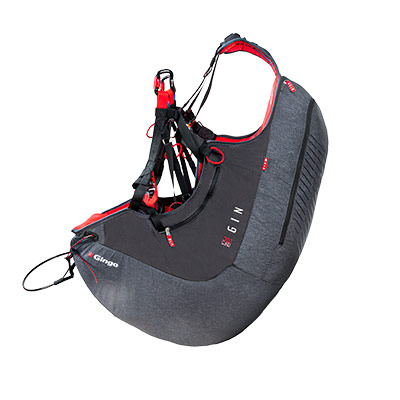
4. Gin: Gin’s harnesses are similarly priced, starting at about $650 for simpler designs. Their more advanced harnesses, which include features for comfort and extended flight capabilities, can cost up to $1,300.
Reserve
In paragliding, a reserve parachute is an essential safety component designed to be deployed in the event of a main wing collapse or other in-air emergencies. There are several types of reserve parachutes, each catering to different needs and preferences.
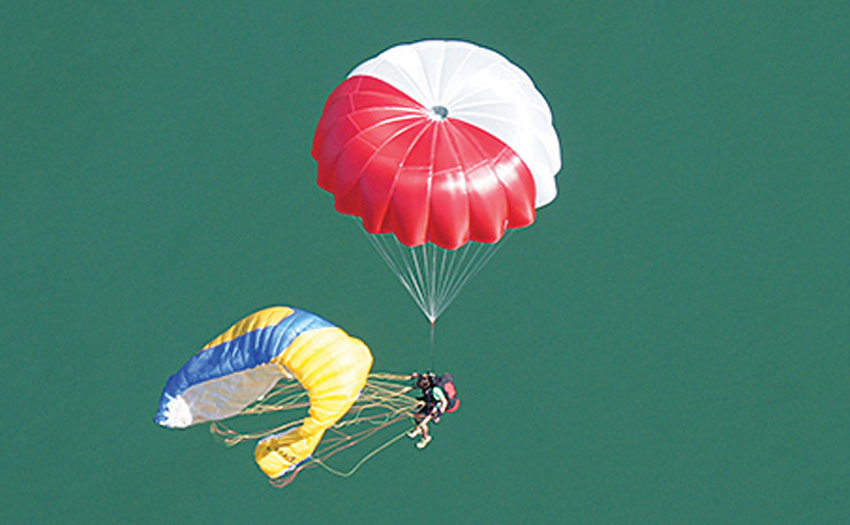
Round Reserves
These are the traditional type of reserve parachutes, known for their reliable deployment and stable descent. They are generally the most affordable option, with prices starting around $400 and going up to about $600.
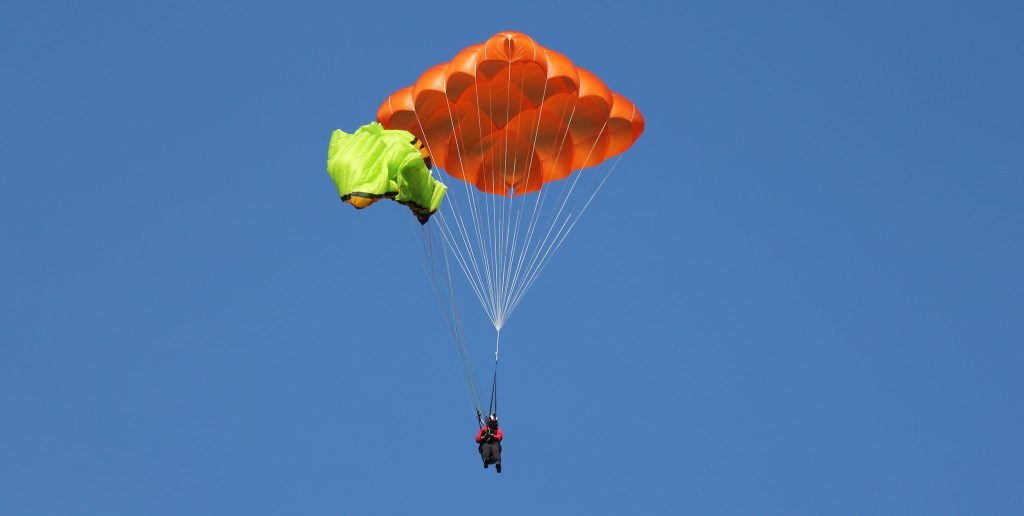
Square or Rogallo Reserves
These reserves offer more maneuverability than round reserves, allowing pilots to steer to some extent and possibly choose a safer landing spot. They are slightly more expensive due to their advanced design, typically costing between $700 and $1,000.
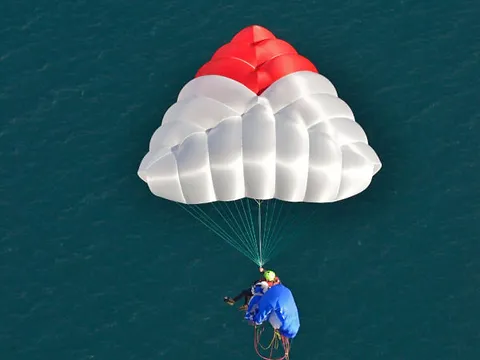
Steerable Cross Reserves
These are a newer type of reserve that combines the features of square reserves with enhanced steerability and sink rate control. They are at the higher end of the price spectrum, usually ranging from $800 to $1,200.
Reserve
In paragliding, a reserve parachute is an essential safety component designed to be deployed in the event of a main wing collapse or other in-air emergencies. There are several types of reserve parachutes, each catering to different needs and preferences.
Others
Besides the main paragliding gear like wings, harnesses, and reserve parachutes, several other pieces of equipment are essential for a safe and enjoyable flying experience. Each of these items adds to both the safety and comfort of the pilot during flights:
-
Helmet: A helmet is critical for protecting the head during launches, landings, and from any airborne debris. Prices vary based on the material and design features, with paragliding helmets typically ranging from $100 to $300.
-
Gloves: Gloves are important not only for warmth in colder flying conditions but also for protection against rope burns when handling lines. They typically cost between $20 and $50, depending on the material and insulation.
-
Radio: A radio is vital for communication with other pilots and for safety while flying, especially in busy or complex airspace. The cost of a good aviation radio can range from $100 to $300, depending on the features and reliability.
-
Variometer: This device helps pilots understand their rate of ascent or descent and can be crucial for maximizing flight efficiency and safety. Basic models start around $150, while more advanced variometers with GPS and additional flight data features can cost up to $600 or more.
-
Flight Suit: A flight suit provides comfort and protection from the elements, particularly at higher altitudes where temperatures can be significantly lower. Prices for flight suits range from $100 to $400, based on the material and design.
-
Shoes: Good quality flying shoes or boots are important for protecting the ankles during rough landings or launches on rugged terrain. They generally cost between $100 and $200.
Note: Our paragliding school is not sponsored by any brands or manufacturers. The recommendations and pricing details provided in our content are intended solely for educational purposes. Our goal is to share knowledge and help aspiring paragliders make informed decisions about their equipment and training, based on our experience and expertise in the field.